
Stages of Composting: An In-Depth Exploration of the Composting Cycle

Composting, often dubbed as “black gold” by gardeners, is an eco-friendly way to recycle kitchen waste and yard debris. Not only does it reduce landfill waste, but it also enriches soil, promoting healthier plant growth. Despite its myriad benefits, many are often deterred from composting due to its perceived complexity. However, the process can be simplified into stages of composting, each with its distinct characteristics and requirements. In this blog, we’ll delve into the various stages of composting to demystify the process.
Table of Contents
- Stage 1: Collection of Raw Material
- Stage 2: Building the Pile
- Stage 3: Initial Heating and Microbial Activity
- Stage 4: Active Composting or Thermophilic Stage
- Stage 5: Cooling and Curing
- Stage 6: Harvesting
- Key Tips for Implementing the Stages of Composting:
- Conclusion
- The Role of Organic Waste Converters in Accelerating Microbial Compost Production
Stage 1: Collection of Raw Material
The first stage involves collecting the raw materials for your compost pile. The materials fall into two categories:
- Green Materials: Kitchen waste such as fruit and vegetable peelings, coffee grounds, and tea bags are excellent green materials. These are rich in nitrogen.
- Brown Materials: Dry leaves, cardboard, paper, and straw serve as brown materials. These are rich in carbon.
A balanced mix of green and brown materials is crucial for effective composting. A ratio of 2 parts brown to 1 part green is generally recommended.
Stage 2: Building the Pile
To create an efficient compost pile, layer the green and brown materials alternatively. Begin with a layer of coarse materials like straw at the bottom, followed by alternating layers of green and brown materials. Ensure that each layer is around 2 to 4 inches thick.
Stage 3: Initial Heating and Microbial Activity
Within a day or two, you’ll notice that the compost pile is getting warm. This is a sign that microbial activity has commenced. The microorganisms begin breaking down the organic matter, generating heat as a byproduct. This phase usually lasts about a week and can reach temperatures up to 160°F (71°C).
Stage 4: Active Composting or Thermophilic Stage
The active composting stage is characterised by increased heat, usually between 104°F to 131°F (40°C to 55°C). During this stage, the compost pile should be turned regularly to aerate it. This is crucial because the microorganisms responsible for decomposition are aerobic and require oxygen to function effectively.
Stage 5: Cooling and Curing
After the thermophilic stage, the compost pile begins to cool down. During this stage, which can last from a few weeks to several months, the compost becomes darker and develops a earthy smell. At this point, it’s advisable to let the compost “cure” or mature for another 2 to 4 weeks to allow beneficial organisms to move in and complete all the stages of composting.
Stage 6: Harvesting
Your compost is ready when it’s dark, crumbly, and has a earthy aroma. The original materials should be unrecognisable. You can now harvest the finished compost from the bottom of the pile, while leaving the unfinished materials for the next batch.
Key Tips for Implementing the Stages of Composting:
- Aerate regularly: Regular turning of the compost pile promotes oxygenation, speeding up the composting process.
- Maintain moisture: The pile should be as damp as a wrung-out sponge. Too much or too little moisture can impede the composting process.
- Size matters: Smaller pieces of organic material decompose faster. Chopping your kitchen and yard waste can accelerate the process.
Conclusion
Understanding the different stages of composting can help you manage your compost pile more effectively. Not only is composting a fulfilling activity, but it also benefits your garden and the environment. So, gather your kitchen scraps and yard waste, and let the composting begin!
The Role of Organic Waste Converters in Accelerating Microbial Compost Production
Having explored the different stages of composting and the critical role microbes play in this process, it’s essential to discuss how modern technology can enhance this biological sequence for efficient waste management. One such innovation is the Organic Waste Converter (OWC), developed by Excel Industries.
Designed to manage waste treatment capabilities that span from 100 kg to a staggering 3000 kg per day, the Excel OWC revolutionises the traditional composting process. But how exactly do microbes come into play within these sophisticated machines?
These OWC machines serve as catalysts in the composting process by engineering an optimal environment for aerobic bacteria to flourish. Equipped with an integrated aeration system, the OWC ensures an uninterrupted oxygen supply. This is a crucial element as aerobic bacteria require oxygen to efficiently decompose organic materials such as food remnants, garden debris, and other biodegradable waste.
In summary, Organic Waste Converters like those from Excel Industries take the natural, microbial-driven composting cycle and accelerate it, making it more efficient and manageable on a larger scale. This showcases how technology can synergise with biological processes to offer effective solutions for waste management.

What is the Role of Microbes in Compost Production? Understanding the Biological Processes

In recent years, the issue of waste management has come into sharp focus, especially given the staggering volumes of waste generated daily. According to the Environmental Protection Agency’s 2018 report, 292.4 million tons of Municipal Solid Waste (MSW) were collected, averaging about 4.9 pounds per person every day.
With these concerning statistics in mind, it’s clear that innovative solutions are needed for effective waste management. Composting presents a viable and environmentally-friendly option for mitigating this challenge, as outlined in these six interesting facts about composting.
When it comes to composting, most of us understand the basics: throw in some biodegradable waste, wait a while, and eventually, you have a pile of compost ready for your garden. However, what really goes on during this process? The unsung heroes behind this biological marvel are, in fact, microbes. But what is the role of microbes in compost production?
The Basics: Organic Matter and Organic Materials
Composting is essentially a process that transforms organic matter into a nutrient-rich soil conditioner. It relies heavily on organic materials such as leaves, kitchen scraps, and garden waste. While these materials play an important role, the actual transformation is carried out by the microbes.
The organic materials serve as the ‘food’ source for the microbial population. These materials are often a mix of ‘greens’, which are high in nitrogen (like food scraps and fresh yard waste), and ‘browns’, which are high in carbon (like dried leaves and twigs). The balance between these types of organic matter plays an important role in providing an optimal environment for microbial activity. Too much nitrogen, and you may end up with a smelly, anaerobic pile; too much carbon, and the composting process will take much longer than necessary.
What is the Role of Microbes in Compost Production?
Microbes in compost production are responsible for breaking down organic matter into simpler substances. This is accomplished through various stages involving both aerobic and anaerobic bacteria.
Aerobic bacteria are especially vital in the initial phases. These bacteria require oxygen and flourish in well-aerated compost piles. They are responsible for breaking down the organic materials into simpler forms, a process which also produces carbon dioxide and heat. This rise in temperature helps to kill off pathogens and weed seeds, making the compost more beneficial for plant growth.
As the compost pile matures, anaerobic bacteria take over. Unlike their aerobic counterparts, these bacteria don’t require oxygen and work in compacted, less aerated sections of the pile. While less efficient, they continue the breakdown process, albeit at a slower pace.
Chemical Changes: Carbon Dioxide and Water
One of the by-products of microbial activity is the generation of carbon dioxide. This, combined with water released from the decomposing organic materials, helps in further breaking down the matter. It’s a symbiotic relationship, where microbes receive the sustenance they need to thrive, while also accelerating the decomposition process.
Other Players: Fungi and Invertebrates
While bacteria are the primary decomposers, other organisms such as fungi and invertebrates also contribute. Fungi are particularly effective at breaking down complex organic materials like lignin in woody matter. Invertebrates like earthworms assist by physically breaking down materials and also by dispersing microbes throughout the compost pile.
Importance of Monitoring and Maintenance
To maximise the effectiveness of microbes in compost production, certain conditions must be met. These include maintaining optimal moisture and temperature, ensuring good aeration, and regularly turning the compost pile. These steps help in sustaining an environment conducive for microbial activity, thereby producing high-quality compost.
In conclusion, the role of microbes in compost production is indispensable. They transform complex organic matter into simpler substances that are beneficial for plant growth. By understanding these biological processes, you can manage your compost pile more effectively, ensuring a rich, nutritious end product for your garden.
So, the next time you look at your compost pile, you’ll have a newfound appreciation for the microscopic life forms that make it all possible. They are indeed the driving force behind turning waste into wonder.
The Role of OWC in Microbial Compost Production
As we’ve explored the significance of microbes in compost production, it’s worth mentioning the advanced composting solutions that leverage these biological processes for efficient waste management. One such technology is the Organic Waste Converter (OWC) by Excel Industries.
The Excel OWC is designed to handle daily waste treatment capacities ranging from 100 kg to 3000 kg. But what is the role of microbes in compost production within these OWC machines?
These machines essentially accelerate the natural composting process by creating an environment where aerobic bacteria can thrive. The OWC contains an inbuilt system for aeration, ensuring a continuous supply of oxygen, which is vital for aerobic bacteria to effectively break down organic matter like food scraps, garden waste, and other biodegradable waste.

Food Waste Composting Machine: A Revolution in Household Waste Management

Introduction: The Growing Concern of Food Waste
As we grapple with the challenges of climate change and strive for a sustainable future, the conversation invariably leads to the importance of effective waste management. Food waste, in particular, represents a significant issue, with tons of edible items discarded daily. The environmental impact is further heightened by the contribution of food waste to landfill deposits, leading to the generation of methane, a potent greenhouse gas. The food waste composting machine has emerged as a transformative solution to this critical problem, providing an innovative and efficient method of waste conversion.
Traditional Composting Versus Advanced Composting Systems
Before diving into the subject of the composting machine, it’s pertinent to examine the composting process itself. At its most basic, composting involves the biological decomposition of organic matter, such as food scraps and garden waste, into humus, a nutrient-rich soil conditioner. Traditional composting systems require periodic aeration, turning, and considerable time for the material to break down. These systems have their advantages but also come with limitations, such as space requirements and the manual effort needed to maintain them.
On the other hand, advanced composting systems, including the food waste composting machine, simplify the process through automation. They convert organic waste more efficiently and with considerably less manual intervention, making them ideal for urban settings and modern lifestyles.
Features and Benefits of the Fully Automatic Organic Waste Composting Machine
The modern composting machine is more than just a glorified waste disposer; it is a technologically advanced system designed for effectiveness and ease of use. It provides numerous benefits, including:
- Speed: It accelerates the composting process considerably, converting organic waste into usable compost in as little as 24 hours in some models.
- Odour Control: Advanced filters eliminate the odours commonly associated with composting, making the machine more suitable for indoor use.
- Energy Efficiency: Many models are designed to be energy-efficient, reducing the overall environmental impact of the device.
- Ease of Use: User-friendly interfaces make it simple to operate, requiring little to no expertise in composting.
How Does It Function?
The operational aspect of this device warrants exploration. A typical fully automatic organic waste composting machine is a self-contained unit into which you deposit food waste. Once inside, the machine employs microbial action, heat, and mechanical mixing to accelerate the composting process. These machines are usually powered by electricity but are designed to be highly energy-efficient. The end product is ready-to-use compost that can be directly added to garden soil or used in potted plants.
Methane Emissions and Environmental Impact
One of the key benefits of composting food waste is the reduction of methane emissions. When food waste decomposes in landfills, it undergoes anaerobic decomposition because of the lack of oxygen, resulting in the production of methane. Methane is a greenhouse gas that has a far greater impact on climate change than carbon dioxide on a per molecule basis. Therefore, by diverting food waste from landfills and converting it into compost, we significantly reduce the emission of this harmful gas.
A Solution for the Urban Dweller
Traditional composting often requires a dedicated outdoor space, making it impractical for those living in flats or areas with limited outdoor facilities. The food waste composting machine, being a compact and self-contained unit, offers a feasible solution for urban households, enabling city dwellers to participate in sustainable waste management actively.
Sustainability Beyond the Home
While the immediate benefits of the machine are centred around household waste management, the implications are broader. Industries such as hospitality, healthcare, and education can also employ these devices for effective waste management, thereby amplifying the environmental benefits. By doing so, they can contribute towards a significant reduction in overall greenhouse gas emissions.
Final Consideration: Is It Worth the Investment?
Given its advantages, the question arises: who should invest in a food waste composting machine? The answer is, essentially, anyone concerned about reducing their environmental footprint. While the initial investment may seem steep, the long-term benefits, both environmental and monetary, make it a worthwhile addition to any household.
Conclusion
The food waste composting machine is not merely a modern convenience; it represents a vital step forward in our collective efforts to mitigate the impacts of climate change. By making composting a practical and efficient process, it encourages more people to divert organic waste from landfills, thereby reducing methane emissions. As a waste converter, it stands as a revolution in household waste management, promising a greener, more sustainable future for all.
By adopting this technology, we not only reduce our own carbon footprint but also contribute to a collective effort to minimise greenhouse gas emissions and landfill waste. The machine stands as a testament to human ingenuity, offering a practical solution to a global problem.

The Organic Waste Converter (OWC) by Excel Industries is a cutting-edge solution in the realm of sustainable waste management. Designed for easy installation and minimal training, this patented system offers a convenient and quick way to convert segregated organic waste into high-quality compost. The OWC is incredibly versatile, catering to a wide spectrum of waste treatment capacities, ranging from 100 kg to 3000 kg per day. This makes it an ideal choice for various sectors, from residential buildings and commercial enterprises to municipal corporations. Not only does it significantly contribute to reducing landfill mass and methane emissions, but its ease of operation also makes it a practical option for those looking to make an immediate impact on waste management. Excel Industries, with its rich history of innovation and commitment to environmental sustainability, ensures comprehensive service support across India, affirming the OWC’s position as a leading solution for organic waste conversion.
City Compost: The Urban Solution for Waste Management

Introduction
As the world’s population increasingly congregates in cities, the challenges of effective waste management are escalating at an alarming rate. Urban centres are becoming focal points of waste generation, and traditional waste management methods are falling woefully short of handling the influx. This phenomenon is particularly pronounced in India, a country experiencing rapid urbanisation alongside economic growth. Here, the urban localities are wrestling with an almost overwhelming volume of waste, generating close to 1.5 lakh tonnes of solid waste every single day. The sheer scale of waste generation is putting immense pressure on existing waste management infrastructure, which is proving to be increasingly inadequate to deal with the situation.
This blog seeks to explore an alternative, more sustainable approach to tackling this mounting issue: city composting. Faced with the limitations of traditional landfill methods and incineration, both of which have severe environmental ramifications, city composting emerges as a greener and more sustainable option. This blog aims to delve deeply into the mechanics, benefits, and scalability of city composting as a viable waste management strategy. Specifically, we will spotlight the role of Organic Waste Converters (OWC) in modernising this age-old technique.
The Grave Reality of Urban Waste
According to reports, a staggering 95% of organic waste generated in Indian cities goes unprocessed, ending up in landfills or other unsuitable locations. This stands in stark contrast to the ambitious goals set by the Swachh Bharat Mission, which aimed to have all organic waste processed into compost by October 2019. Clearly, there’s a substantial gap between policy objectives and on-ground implementation. This discrepancy is not just a logistical concern but represents a failure to capitalise on a valuable resource—organic waste—that could otherwise be converted into nutrient-rich compost, beneficial for agriculture and soil health.
The consequences of this failure are far-reaching. Uncontrolled decomposition of organic waste in landfills is a significant source of greenhouse gas emissions, particularly methane, which is over 20 times more effective in trapping heat in the atmosphere compared to carbon dioxide. Therefore, the issue of unprocessed organic waste isn’t just a matter of urban cleanliness or waste management, but poses a significant environmental concern. The decomposition process in landfills contributes to air pollution, water contamination, and soil degradation, elevating the urgency for an effective solid waste management system from a municipal concern to a national, if not global, environmental imperative.
The Unsung Hero: City Composting
Often overlooked in favour of high-tech solutions, city composting is actually a dual-purpose solution. It mitigates the need for landfill use and provides nutrient-rich soil that is essential for agriculture. In a country like India, where the demand for food is ever-increasing, and soil degradation is a real problem, city compost can play a pivotal role as a supplement or even a replacement for chemical fertilisers.
The State of Composting Policy in India
Despite the obvious benefits, composting has not been embraced fully due to several policy-related issues. The existing Policy on Promotion of City Compost aimed to facilitate its marketing through a fixed Market Development Assistance (MDA). However, the financial incentives did not prove to be a game-changer in promoting its production and marketing. This suggests that the policy, while well-intentioned, failed in its execution and implementation, leaving much room for improvement.
The Role of Technology: Organic Waste Converters
What is an OWC?
An Organic Waste Converter (OWC) represents a groundbreaking advancement in waste management technology, specifically engineered to speed up the composting process. Unlike traditional composting methods, which can be time-consuming, labour-intensive, and often produce unpleasant odours, OWCs offer a streamlined, efficient, and odour-free alternative. These machines are particularly well-suited for urban environments, where space is at a premium and the need for rapid waste processing is paramount.
OWCs work by rapidly converting organic waste—such as food scraps, yard waste, and agricultural residues—into nutrient-rich compost. They achieve this through a combination of mechanical and biological processes, all housed within a compact, user-friendly unit. The end result is high-quality compost produced in a fraction of the time required by traditional composting methods. This rapid conversion not only diverts waste away from landfills, thereby reducing greenhouse gas emissions, but also produces valuable compost that can be used to enrich soil. Therefore, OWCs offer a dual benefit: they contribute to solving the waste management crisis while simultaneously providing a sustainable solution for soil health and agriculture.
Excel Industries’ OWC: A Case Study in Innovation
Excel Industries stands as a trailblazer in the realm of organic waste management, offering Organic Waste Converters (OWCs) that are a cut above the rest in terms of features, functionality, and efficiency. Here’s a closer look at some of the standout attributes of Excel Industries’ OWC machines:
Daily Waste Treatment Capacity
Excel Industries’ OWC machines are designed for scalability to meet the varying needs of different organisations or communities. They offer a wide range of capacities, capable of treating organic waste ranging from as little as 100 kg to as much as 3000 kg per day. This flexibility makes these OWCs suitable for a variety of settings, from small residential complexes to large industrial facilities and municipal waste management centres.
Ease of Use
One of the major advantages of opting for Excel Industries’ OWC is its user-friendliness. These machines are engineered to be intuitive and easy to operate, requiring minimal training for the personnel handling them. This ease of use not only speeds up the adoption of the technology but also ensures that the process of organic waste conversion remains uninterrupted and efficient.
Eco-Friendly Technology
At the heart of each OWC machine is a patented system that rapidly processes organic waste into high-quality compost. The technology prioritises environmental sustainability at every step, from reducing the time taken for composting to ensuring that the end product is of the highest quality. These eco-friendly attributes align perfectly with the growing global emphasis on sustainable practices and make Excel Industries’ OWCs a responsible choice for anyone looking to invest in effective and environmentally conscious waste management solutions.
Why Choose Excel Industries’ OWC?

Excel Industries has over 40 years of expertise in waste management and is a trusted name in the field. Their OWC machines have been adopted in various sectors, from residential buildings to corporate offices and municipal corporations. Comprehensive after-sales support makes Excel a go-to solution for waste management.
Keen on contributing to a more sustainable future? Enquire now to find out how Excel Industries’ Organic Waste Converters can be a part of your waste management strategy.
The Need for Policy Reforms
While technology can offer advanced solutions, it needs to be supported by robust policies. This includes reforms in fertiliser control order norms, better testing laboratories, and stringent targets for fertiliser companies. The existing policy framework has some gaps that need to be addressed to make city compost a mainstream waste management solution.
The Future of City Composting
The future of city composting in India and around the world looks promising but requires concerted efforts from all stakeholders, including the government, industry, and the public. With the right policies and technologies like OWC, we can create a sustainable waste management system that not only addresses the problem of waste but also contributes positively to agriculture and the environment.
Conclusion
The challenge of urban waste management requires multi-faceted solutions. City composting, bolstered by advanced technologies like OWC, presents a viable, sustainable alternative that addresses both waste management and agricultural needs. As cities continue to grow, the importance of adopting such sustainable practices only increases. It’s high time for comprehensive policy reforms and public awareness campaigns to bring city composting to the forefront of urban sustainability measures.
Breathing Life into Waste: The Process and Benefits of Aerobic Composting

With the rapid urbanisation and population surge, waste management has evolved into a critical global challenge that requires immediate and innovative solutions. The World Bank’s alarming estimate that global waste generation will soar to 3.4 billion tons by 2050, up from 2.01 billion tons in 2016, underscores the urgency of this issue. This escalating waste generation, coupled with inadequate waste management infrastructure in many parts of the world, poses grave environmental and public health threats. These challenges necessitate a comprehensive and environmentally friendly approach.
Amid this crisis, a sustainable and green solution has emerged—composting. More specifically, aerobic composting. This method of waste management not only diminishes the volume of waste directed to landfills but also transforms waste into a valuable resource by converting it into nutrient-rich compost. In this blog, we will delve into the process, mechanics, and benefits of aerobic composting, and explore how it contributes to a sustainable and waste-free environment, enriching our world in the process.
What is Aerobic Composting?
Aerobic composting is a fascinating and environmentally friendly process that involves decomposing organic waste in the presence of oxygen. The process is mediated by a complex ecosystem of aerobic microorganisms, which diligently break down organic matter into a stable, nutrient-rich compost. Unlike anaerobic composting, which occurs in the absence of oxygen, aerobic composting relies on a carefully orchestrated balance of elements. The key to successful aerobic composting lies in maintaining an appropriate equilibrium between ‘green’ and ‘brown’ materials, each playing a vital role in the process.
Green materials, rich in nitrogen, include fresh plant matter, vegetable peels, coffee grounds, and grass clippings, providing essential nutrients for microbial activity. Brown materials, high in carbon, include dried leaves, twigs, cardboard, and paper, adding structure and facilitating airflow within the compost pile. These two types of materials should be layered alternately in the compost pile, with a general guideline being a 3:1 ratio of browns to greens. Regular turning or mixing of the compost pile ensures that oxygen reaches the microorganisms, which is crucial for facilitating the decomposition process and preventing unpleasant odours.
The Aerobic Composting Process
The process of aerobic composting commences with the careful collection and segregation of organic waste. It’s an intricate procedure that requires a detailed understanding of the materials involved. The waste is then systematically arranged in a compost pile or bin in alternating layers of green and brown materials. Regular turning of the compost pile introduces oxygen, a vital component for the aerobic microorganisms that drive the decomposition process. The activity of these microorganisms generates heat, which not only speeds up the decomposition process but also kills off any potential plant diseases present in the waste, thus ensuring a healthy end product.
Monitoring and managing the compost pile’s temperature, oxygen levels, and moisture content is a science in itself, requiring expertise and attention to detail. These factors must be carefully regulated to ensure efficient composting. The composting process may take a few weeks to a few months, depending on the composting conditions, materials used, and attention given to the pile. The end product is a dark, crumbly material with a pleasant earthy smell, often lovingly referred to as ‘black gold’ by gardeners and farmers due to its extraordinary nutrient content and soil-enhancing properties.
Benefits of Aerobic Composting
Aerobic composting offers a plethora of benefits, making it a highly recommended practice for waste management, agriculture, gardening, and overall environmental sustainability:
Waste Reduction
Composting significantly reduces the volume of organic waste that ends up in landfills. Given that organic waste constitutes a substantial portion of total waste generated, composting can drastically reduce the pressure on landfills and the associated environmental degradation.
Soil Enhancement
Compost is a rich and diverse source of nutrients essential for plant growth. It not only improves soil structure and boosts its nutrient content but also enhances its ability to retain water and resist erosion. These properties make compost an invaluable additive for agriculture and gardening, contributing to healthier crops and landscapes.
Carbon Sequestration
Composting helps sequester carbon, thus playing a pivotal role in climate change mitigation. When organic waste decomposes in a landfill, it releases methane, a potent greenhouse gas. Aerobic composting, on the other hand, produces carbon dioxide at a much lesser rate and helps store carbon in the soil, reducing the overall carbon footprint.
Economic Benefits
Compost serves as a low-cost, effective alternative to synthetic fertilisers, reducing the economic input required for agriculture and gardening. Additionally, composting can create employment opportunities in waste management and agriculture sectors, fostering community development.
Aerobic Composting at Scale
While composting at home is an empowering way to manage household organic waste, large-scale composting is essential for managing the massive volumes of organic waste generated by cities and industries. Industrial composting facilities utilise advanced techniques like windrow composting, in-vessel composting, and aerated static pile composting to process large amounts of waste. These methods enhance the efficiency and speed of composting, ensuring that the compost produced meets stringent safety and quality standards, making it suitable for various applications.
Conclusion
Aerobic composting presents a powerful and transformative tool for managing organic waste, turning a potential environmental problem into a valuable resource. By breathing life into waste, we create a cycle of sustainability that not only benefits humans but also nourishes the environment around us. Composting is more than just a waste management strategy—it’s a holistic approach to contributing to a more sustainable and healthier planet. By adopting composting practices, we can all play an active part in creating a greener and more sustainable future, fostering a symbiotic relationship with the Earth.
Experience the Power of Composting with Our OWC Machines
Eager to contribute to a more sustainable future? Aerobic composting with our Organic Waste Composting (OWC) machines offers an excellent entry point! Our OWC machines make composting more accessible, faster, and more efficient, allowing you to convert your organic waste into nutrient-rich compost in a streamlined manner. Whether you’re a small business, a large corporation, or a municipality, we have a solution tailored to your specific needs, reflecting our commitment to environmental stewardship.

From enhancing soil fertility to reducing greenhouse gas emissions, the benefits of composting are far-reaching and multifaceted. With our OWC machines, you can take your commitment to sustainability to the next level. Experience the satisfaction of transforming waste into wealth, and join us in our mission to create a waste-free, sustainable world. Together, we can make a difference.
Why is Composting Better than Burning Leaves: A Comprehensive Analysis

Introduction
With the escalating global population, waste management has become a profound challenge that necessitates immediate attention. Every year, billions of tons of waste are generated, much of which end up in landfills or incinerated, causing significant harm to the environment. Amidst these pressing issues, the importance of managing solid waste effectively cannot be overstated.
One significant component of solid waste that’s often overlooked is leaf waste. If you’ve ever wondered what to do with the piles of leaves that gather in your yard each fall, you’re not alone. Many people resort to burning their leaves, but there’s a more sustainable and beneficial alternative: composting.
Composting is the process of decomposing organic matter—like leaves—into a nutrient-rich soil amendment, often called “black gold” by gardeners. The benefits of composting extend beyond your garden, contributing significantly to global sustainability and environmental health. Let’s delve deeper into the question: why is composting better than burning leaves?
Composting vs. Burning Leaves

When it comes to leaf disposal, both composting and burning may seem like viable options. However, when you compare the two methods side by side, composting clearly stands out as the superior choice.
The advantages of composting are numerous. Firstly, composting transforms organic waste into a valuable resource for enriching garden soil, promoting healthy plant growth. Secondly, it’s a process that anyone can do, regardless of the size of their yard or garden. And most importantly, composting is environmentally friendly, reducing the volume of waste that ends up in landfills and decreasing greenhouse gas emissions.
In contrast, burning leaves has several drawbacks. It releases smoke and pollutants into the air, contributing to air pollution and climate change. Additionally, it’s a waste of a valuable organic resource that could be better used to improve soil health and fertility.
The Environmental Impact of Burning Leaves
Burning leaves is more harmful to the environment than many people realize. The smoke released from burning leaves contains a number of harmful pollutants, including particulate matter, volatile organic compounds, and carbon monoxide. These pollutants can cause respiratory problems in humans and animals and contribute to the formation of smog.
Moreover, burning leaves contributes to climate change. The process releases carbon dioxide—a potent greenhouse gas—into the atmosphere, adding to the existing levels of CO2 and exacerbating global warming.
Lastly, burning leaves degrades air quality, impacting not only human health but also the health of the ecosystem. It can affect local air quality so severely that many municipalities have enacted burn bans to limit the impact.
The Advantages of Composting with OWC Machines
While burning leaves poses environmental challenges, composting—particularly when done using an Organic Waste Composting (OWC) machine—offers a wealth of benefits. The OWC machine is a game-changer in composting leaves, creating a nutrient-rich soil amendment that can dramatically improve your garden’s health. The compost produced is rich in essential plant nutrients such as nitrogen, phosphorus, and potassium.
Composting with an OWC machine also plays a key role in reducing greenhouse gas emissions. When organic waste decomposes in a landfill, it emits methane, a greenhouse gas that’s 25 times more potent than carbon dioxide. By composting with an OWC machine, this process is prevented, resulting in a significant reduction in greenhouse gas emissions.
Additionally, the compost produced by an OWC machine enhances soil health. It improves soil structure, boosts water retention, and encourages the growth of beneficial microbes. This leads to increased crop yields and more resilient gardens.
How to Compost Leaves with an OWC Machine
Composting leaves using an OWC machine is a simple and straightforward process. Here are the steps:
- Collect your leaves: Gather your leaves into a pile. If possible, shred the leaves to facilitate the composting process.
- Prepare your compost bin: Choose an appropriate location in your yard for your OWC machine.
- Add your leaves: Feed your leaves into the OWC machine. Aim to maintain a balance of green materials (like vegetable scraps) and brown materials (like leaves) for optimal composting conditions.
- Operate your OWC machine: Follow the manufacturer’s instructions for operating your OWC machine. Regular operation will speed up the composting process and ensure even composting.
- Wait: Over time, your OWC machine will convert your leaf waste into rich, dark compost. This can take anywhere from a few weeks to a few months, depending on various conditions.
Remember, successful composting with an OWC machine requires a balance of green and brown materials, sufficient moisture, and regular operation. Following these tips will help ensure a successful composting process.
Start your composting journey today with an OWC machine and contribute to a more sustainable future!
Conclusion
In conclusion, composting is a superior option to burning leaves, both for your garden and for the environment. It produces a valuable soil amendment, reduces greenhouse gas emissions, and improves soil health. By choosing to compost rather than burn leaves, you can play a part in addressing global waste management challenges and promoting sustainability.
So the next time you’re faced with a pile of leaves, consider composting them instead of burning. Your garden—and the planet—will thank you.

The Importance of Solid Waste Management and the Role of Excel’s Composting Machines
Introduction
The surge in the global population directly correlates with an increase in waste production. This growing volume of waste represents a substantial global management challenge, with solid waste management emerging as a critical aspect of these practices. Its importance is increasingly recognized worldwide due to the considerable environmental impact and potential health issues related to mismanaged waste.
Entities known as Bulk Waste Generators (BWGs) are significant contributors to this waste. These include large residential complexes, secure housing communities, event venues like marriage halls, and sizable commercial facilities. Specifically, any establishment producing more than 100 kilograms of waste each day falls into the BWG category. These entities bear a significant responsibility in the waste management ecosystem.
Therefore, the role of BWGs in waste management is crucial and far-reaching. Not only do they produce a substantial proportion of daily waste, but their practices in handling, segregating, and processing this waste can have a profound impact on overall waste management effectiveness. By implementing effective waste management strategies, these BWGs can help alleviate some of the environmental and health challenges associated with the ever-increasing global waste problem.
The Critical Role of Bulk Waste Generators (BWGs) in Solid Waste Management
Bulk Waste Generators (BWGs), due to the substantial quantities of waste they generate, possess a pronounced influence on our environment. In scenarios where solid waste management is insufficient or ineffective, this waste often finds its way into landfills. Here, the waste decomposes over time, leading to the release of harmful gases, notably methane. Methane, a particularly potent greenhouse gas, has a heat-trapping capacity 25 times greater than that of carbon dioxide, thereby considerably exacerbating the issue of climate change.
Given these circumstances, the role of BWGs in managing solid waste efficiently cannot be overstated. Through proper waste management practices, including waste reduction, segregation, recycling, and composting, BWGs have the potential to significantly decrease the amount of waste that ends up in landfills. This, in turn, can help curb the release of methane and other harmful gases, ultimately contributing to the broader fight against climate change.
In essence, the environmental responsibility that rests on the shoulders of BWGs is immense. Their ability to manage waste effectively and sustainably directly influences our collective environmental footprint and plays a critical role in our global effort to mitigate the adverse effects of climate change
The Benefits and Necessity of In-House Solid Waste Management in BWGs
A practical strategy for efficient waste management is to handle it on-site. By dealing with waste in-house, entities like large apartment complexes can save money and avoid the logistical challenges associated with outsourcing the process.
One such on-site solution is establishing an in-house composting unit. For an average apartment complex with around 100 households, this would necessitate an area of approximately 50 square feet. This entire operation, from waste gathering to processing, can be effectively managed by partnering with organizations that offer Solid Waste Management as a specialised service. This approach not only streamlines the waste management process but also makes it more economical and efficient
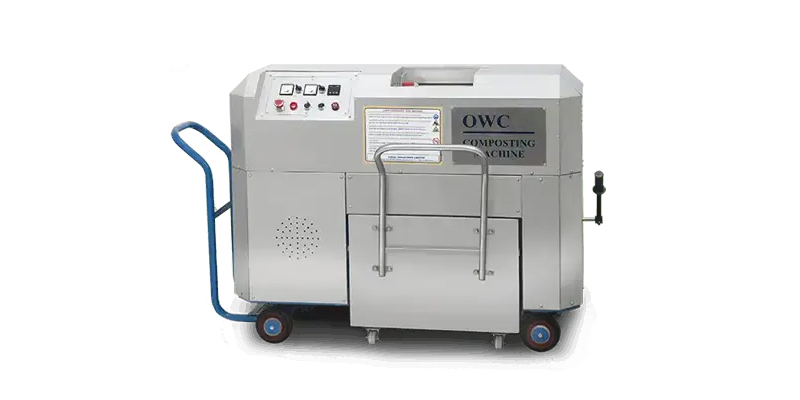
Compost machines offer an environmentally friendly alternative to conventional waste disposal methods. By composting organic waste, we prevent it from ending up in landfills where it would produce harmful greenhouse gases. This contributes to the reduction of overall greenhouse gas emissions and promotes sustainable waste management practices.
Challenges in Solid Waste Management and the Need for Effective Solutions
Despite the clear advantages of on-site waste management, Bulk Waste Generators (BWGs) often encounter a variety of hurdles during its implementation. These obstacles can include:
– The difficult task of identifying a competent and reliable vendor to establish the in-house waste management infrastructure.
– The necessity of securing cooperation and active participation from residents, which can be a challenge especially when it comes to proper waste segregation.
– Budgeting for the waste management system can also be a contentious issue among residents. It is essential to perceive waste management not as a project with an immediate return on investment, but as a critical operational expense akin to utilities like water or sewage treatment.
– Arranging for the necessary workforce to manage the waste is another considerable challenge.
These difficulties highlight the need for a shift in perspective, where waste management is seen not as a burdensome cost, but as an essential investment in the community’s health and the environment. To facilitate this, it’s important to promote awareness among residents about the importance of waste management, ensure ongoing support from vendors even after the initial setup, and draw up a detailed budget plan that includes both the costs of setting up the facilities and their ongoing maintenance.
Excel’s Composting Machines: Revolutionising Solid Waste Management
Excel Industries offers a comprehensive solution to in-house waste management with their innovative composting machines. These machines are designed to handle large volumes of waste effectively and efficiently, transforming organic waste into nutrient-rich compost. The composting process not only reduces the amount of waste heading to landfills but also provides a valuable resource that can be used to enrich gardens and green spaces.
The machines from Excel Industries make use of biological processes to accelerate composting, maintaining the vital nutrients in the waste and rendering it free from pathogens and unpleasant smells. This creates a safer and more pleasant environment for the residents and workers involved in waste management.
Overall, these composting machines provide a sustainable and efficient approach to managing waste in large residential complexes and other bulk waste generators. They not only make waste management more manageable but also contribute to broader environmental goals by reducing landfill use and creating a valuable resource from waste.
Case Study: Embracing the Importance of Solid Waste Management with Excel’s Composting Machines
The Himalaya Drugs
The Himalaya Drugs company has managed to turn their waste into a resource using Excel Industries’ Organic Waste Converter (OWC). The company generates about 200-300 kg of wet waste per day, which was previously discarded without any further use. With the implementation of the OWC, this waste is now converted into compost. This compost is then used within the company’s 28-acre campus as manure, aiding in the growth and maintenance of green spaces. This approach to waste management has effectively reduced the amount of waste being sent to landfills while also providing an environmentally-friendly source of nutrients for the company’s landscapes.Infosys, Bangalore
Infosys’ Bangalore campus, with over 20,000 employees, generates almost 1-2 tonnes of food waste per day. By employing Excel’s OWC, this waste is converted into compost at their organic waste conversion site. This successful implementation showcases how large organisations can efficiently manage their food waste, reducing their environmental footprint, and promoting sustainable practices.NIMHANS, Bangalore
At NIMHANS in Bangalore, all organic waste from households, canteens, and hostels is converted into compost using Excel’s OWC. This compost is further used within the campus as manure, demonstrating how institutions can effectively manage their waste, contribute to environmental sustainability, and promote green practices.
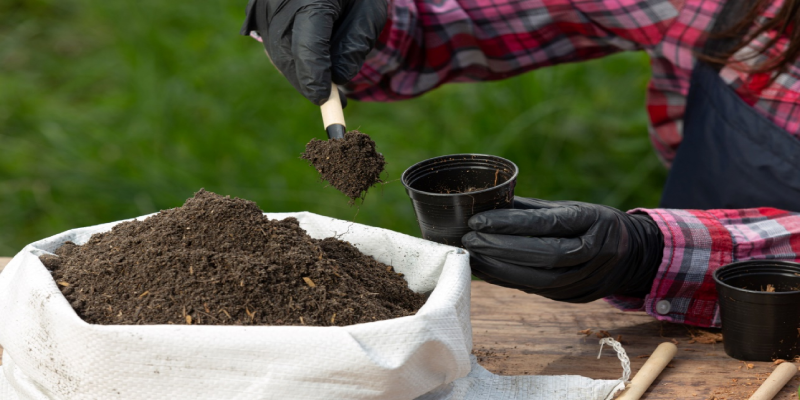
Enhancing Solid Waste Management and Effective Odour Control
Bioculum, an innovative product by Excel Industries, is a biological inoculant capable of significantly reducing composting time by enhancing the aerobic decomposition of organic waste. This eco-friendly solution transforms waste into nutrient-dense compost in just 10 days, compared to the usual 30, also reducing the waste volume to 25-30% of the original weight.
Composed of natural ingredients, Bioculum includes a mix of beneficial microbes for efficient organic matter breakdown. Moreover, it’s free of toxic substances and ensures a nutrient-rich, pathogen-free compost that is devoid of unpleasant odors. This groundbreaking product remarkably enhances traditional composting methods with its speed and effectiveness.
Sanitreat, an innovative solution by Excel Industries, is a non-hazardous mixture of mineral and herbal components designed to control the putrefaction process of organic waste, effectively reducing odors. Whether in large Municipal Solid Waste plants, dump yards, disaster management scenarios, or composting processes, Sanitreat can be applied to mitigate unpleasant odors and create a more enjoyable environment.
By combining the use of Bioculum and Sanitreat, the composting process can be made faster, more efficient, and more pleasant, contributing to more effective solid waste management.
Conclusion
Solid waste management is a crucial aspect of maintaining a sustainable and healthy environment, especially for Bulk Waste Generators (BWGs) like large apartment complexes, gated communities, and commercial spaces. It is an ongoing process that requires the active participation of all stakeholders, from residents to waste management vendors and governing bodies
Solutions like Excel’s composting machines, Bioculum, and Sanitreat play a significant role in advancing effective solid waste management practices. They provide safe, efficient, and environmentally friendly means of processing organic waste, thereby reducing the amount of waste that ends up in landfills and contributing to the mitigation of climate change.
While setting up an in-house waste management infrastructure may present challenges, it is a worthy endeavour that promises significant long-term benefits. Not only does it provide a cost-effective way of managing waste, but it also contributes to the creation of a healthier living environment. By leveraging the right tools and fostering a community culture of responsible waste management, BWGs can make a significant contribution to the broader goal of sustainable living.

Five Effective Ways to Choose the Right Compost Machine
Organic waste, comprising food scraps, yard debris, and other biodegradable materials, is a major contributor to the global waste problem. When improperly disposed of, this waste can have severe environmental impacts. For instance, when organic waste decomposes in landfills, it produces methane, a potent greenhouse gas that contributes significantly to climate change. Additionally, organic waste can lead to leachate formation, a liquid that, when it seeps into the soil, can contaminate groundwater sources, posing a threat to both the environment and human health. But there are viable solutions to mitigate these ill-effects. Composting is a leading method for managing organic waste. It transforms this waste into nutrient-rich compost, which can be used to enrich soil and stimulate plant growth, promoting a cycle of sustainability. Similarly, anaerobic digestion is another method where microorganisms break down organic waste in the absence of oxygen, producing biogas that can be used as a renewable energy source. Moreover, worm farming or vermicomposting uses worms to consume organic waste and produce a rich soil conditioner. Each of these methods offers a sustainable alternative to traditional waste disposal, reducing environmental harm and creating valuable end products from waste.
Understanding Compost Machines
Composting is a biological process that breaks down organic waste into nutrient-rich compost. This process involves shredding, homogenizing, and curing the waste. A compost machine plays a crucial role in this process by accelerating the composting of organic waste using a bio-mechanical method. These machines come in various sizes and designs, making them suitable for different types of users. If you are part of a housing colony, for example, you might be wondering how to determine the capacity of the compost machine. A rough estimate is that about 1 kg per day per house of organic waste gets generated. Key considerations include:
Finalizing the Capacity
The first step in choosing a compost machine is determining the required capacity. In a typical housing colony, each household generates approximately 1 kg of organic waste per day. Therefore, if your colony has 100 houses, you’ll need a machine that can handle around 100 kg of waste daily.
Installation Site
The location of the compost machine is crucial. It should be set up in an area that’s easily accessible for waste collection but also somewhat isolated to avoid any potential odor nuisance. Outdoor areas with good ventilation, like a community garden or an unused corner of the parking lot, could be ideal. Ensure the chosen location has a power source and a water supply for the machine’s operation.
Required Resources
Apart from the compost machine itself, you’ll need a few additional resources. These include collection bins for each household to collect and segregate organic waste, a system for transporting this waste to the compost machine, and trained personnel to operate and maintain the machine. Additionally, you’ll need a plan for utilizing or disposing of the compost produced – it could be used in communal green spaces or shared among residents for personal use
These considerations will help housing colonies implement efficient and sustainable organic waste management using compost machines.
Benefits of Using a Compost Machine
Using a compost machine offers several benefits, particularly for our target customers such as housing colonies, community gardens, and small-scale farming operations:
Reduction in Waste Volume:
Compost machines convert organic waste into compost, significantly reducing the volume of waste that needs to be disposed of. This is particularly beneficial for housing colonies, as it helps manage waste disposal more effectively and reduces the burden on local waste management services.
Environmental Sustainability
Compost machines offer an environmentally friendly alternative to conventional waste disposal methods. By composting organic waste, we prevent it from ending up in landfills where it would produce harmful greenhouse gases. This contributes to the reduction of overall greenhouse gas emissions and promotes sustainable waste management practices.
Soil Enrichment
The compost produced by these machines is nutrient-rich and can greatly enhance soil quality. For community gardens or housing colonies with green spaces, this compost can be used to promote healthier plant growth. It also supports sustainable gardening and farming practices by reducing the need for chemical fertilizers.
Cost Savings
For our target customers, using a compost machine can lead to significant cost savings over time. By handling waste disposal in-house, housing colonies can lower their waste management costs. Similarly, community gardens and small-scale farmers can reduce their expenditure on commercial fertilizers by using the compost produced.
Community Engagement:
Implementing a composting program can also foster community engagement. It can be a collaborative effort that encourages residents to participate in sustainable practices and contribute to a greener community.
Compliance with Waste Management Regulations:
Many municipalities are implementing strict waste management regulations, including mandatory composting of organic waste. Having a compost machine helps housing colonies comply with these regulations, potentially avoiding fines or penalties.
In Mumbai, housing societies are incentivised to manage their waste efficiently through a scheme introduced by the Brihanmumbai Municipal Corporation (BMC). This scheme offers up to a 15% property tax rebate for societies that comply with waste segregation, composting, and other environmental guidelines. Regular inspections are conducted to ensure adherence, with the rebate amount reflected in the year-end bill, encouraging responsible waste management practices and environmental sustainability.
Choosing the Right Compost Machine
Five Effective Ways to Choose the Right Compost Machine:
Understanding the Types
Know the different types of compost machines available in the market. This includes understanding the difference between automatic and semi-automatic machines, and how each functions.
Ease of Operation
Consider how simple it is to operate the machine. This includes looking into how easy it is to load the waste, run the machine, and remove the compost
Quality and Utility of Compost
Evaluate the quality of compost produced by the machine. The compost should be nutrient-rich and suitable for its intended use, be it for gardening, farming, or other purposes.
Operational Cost and Electrical Consumption
Consider the operational cost of the machine, including how much electricity it uses. An energy-efficient machine can be more cost-effective in the long run.
Endorsements and Environmental Sustainability
Check if the machine has any government endorsements or approvals. Also, assess the machine’s contribution to environmental sustainability. A good compost machine should help reduce waste and contribute to a greener environment.
Conclusion
Compost machines are an integral part of sustainable waste management and contribute significantly to a greener, more sustainable future. As we become more conscious of our environmental impact, the use of compost machines will be essential in creating a circular economy that values waste as a resource rather than a burden. By taking these steps, we can collectively work towards a cleaner, healthier planet for future generations. Additionally, following solid waste management rules and initiatives like the Swachh Bharat Abhiyan can significantly contribute to this goal.
About Excel Industries
Excel Industries, with over 40 years of expertise in waste management, has been instrumental in promoting organic waste management and composting in India. Their patented technology efficiently transforms organic waste into high-quality compost. Excel is committed to revolutionising waste management practices and contributing to a greener future.
Ready to make a difference in waste management?
Discover Excel Industries’ compost machines and embark on your journey towards a greener future.
Smart Highways
If you were asked to picture a Smart Highway, rest assured, you would think of a highway that has high speed cars, automated toll booths, etc. However, one barely pays attention to all the waste that is generated at the various food courts and malls along the highway. Excel Industries Limited, a pioneer in Sustainable Municipal Solid Waste Management presents its unique perspective on how Highways can be made Smart and Sustainable by at-source management of organic food waste, sewage and human waste generated in large quantities at the food courts along the highway using simple de-centralized techniques and generating end products which could be used for unique purposes such as urban farming, re-usable water and fuel!
Smart Highways in India
A Concept note on ecologically Sustainable Highways in India
Author: Ashwin C Shroff, CMD, Excel Industries Limited
If you were asked to picture a Smart Highway, rest assured, you would picture a Highway having high speed cars, automated toll collection booths, electronic surveillance systems and shining sign boards. Are you quite sure that having the above really makes a highway smart? Think again.
Quite surely, you must have stopped by one of the several food courts while driving on one of the expressways in India. Have you ever noticed the lack of sanitation there? Have you wondered what happens to all the food waste, human waste and recyclable waste generated at the food courts? Also, have you ever wondered the amount of pollution generated on the highways due the large number of vehicles plying on the highway and its long term repercussions?
By suitably designing these food court areas, one can really make the highways sustainable and hence smart. A smart highway in the real sense is the one which besides being appealing to high speed cars is also the one which is ecologically and economically viable.
Forever committed to the cause of sustainability, solid waste management and sanitation in the country, this concept note tries to bring about a futuristic yet simple and ecologically sustainable view to the Smart Highways of the country.
Every car plying on the highways stops at the food court area for one or more of the following reasons:
– To fuel up the car
– To relieve oneself by visiting the restrooms
– To fill oneself up by eating and drinking at the food courts
In the above process, one rarely thinks about the waste generated and what could be done to the waste? We suggest several easy to implement de-centralized solutions to the above issues that would go a long way in making the highways green and ecologically sustainable.
Organic food waste generated from the process of cooking and also as leftovers of food consumed at the food courts can be treated at source using a de-centralized composting or bio methanation plant. A food court on Mumbai-Pune expressway would generate over 100 tons of organic waste annually. This is ideal for either of the above two technologies to convert organic waste into bio-manure/compost and/or bio-energy.
Compost recovered from the Composting plant can either be fed to the farms in the vicinity for growing high quality organic produce or the food court area can itself be designed in a way as to have vertical farms to grow fresh green vegetables needed for cooking the food consumed in the food court.
Likewise, the biogas generated from the de-centralized bio- methanation plant can be converted into more value added product such as bio-CNG or ethanol. This can then be fed back to the fuel station at the exit to fuel the cars with clean fuel. Bio-CNG and Ethanol as fuel is getting increasing attention as source of clean & renewal source fuel and mandating blending or fuel switch to reduce carbon foot prints in several countries in the world. With a strain on crude oil resources across the world, inflationary & geo-political risk all countries including India will soon have to look at these alternate clean renewable sources of fuel.
From the toilets and kitchens at the exit, sewage is generated which can be easily treated using a de-centralized sewage treatment plant using easily available technologies. Only upon primary treatment, the treated water can be easily fed back for irrigation of the vertical farms at the food court as also the various trees along the highway.
Along the length of the highway, several locally favorable fruit trees can be planted. These trees serve the dual purpose of providing fresh produce as well as a larger goal of carbon sequestration against the immense pollution created by the vehicles plying constantly on the highway. Compost from the de-centralized composting plants and treated water from the de-centralized sewage treatment plants must be used to water these trees.
Just like there is organic food waste, there is also an equal or more amount of recyclable waste in the form of paper and plastic. This can be easily recycled and offer productive work / livelihood for micro-entrepreneurs as also provide framework for inclusion of local area people. At the source of generation, the segregated recyclable waste could be safely collected, crushed and baled into easily transportable material which can be recycled into more value added products at a recycling center. A recycling center can be developed along the highway which could cater to the recycling of all such waste coming from various pick up points along the length of the highway. Thus pollution impact of various waste streams is minimized as also it provide livelihood for unskilled / poor people from waste value chain.
By adopting these simple yet sustainable methods, the highways can be called smart in the true sense. These highways can thus be ecologically viable. The major tangible gains that can be demonstrated as below:
a. Reduction of cost and pollution in transporting food from long distances by growing high quality fresh produce at source in vertical farms
b. Reduction of Green House Gas (GHG) emission by stopping the waste being sent to the land fill or waste flowing into nearby water bodies
c. Carbon sequestration by way of planting trees along the length of the highway
All stakeholders such as travelers traveling on the highway, infrastructure companies building the highways, national and international funding agencies financing the highway projects as well as policy makers across ministries stand to gain by this approach.

